
Cabinetry care +
your warranty
Built to last, with your ongoing attention to regular maintenance, our warranty has you covered for life.
A GUIDE TO LONGTERM PERFORMANCE Care for a Lifetime of Living
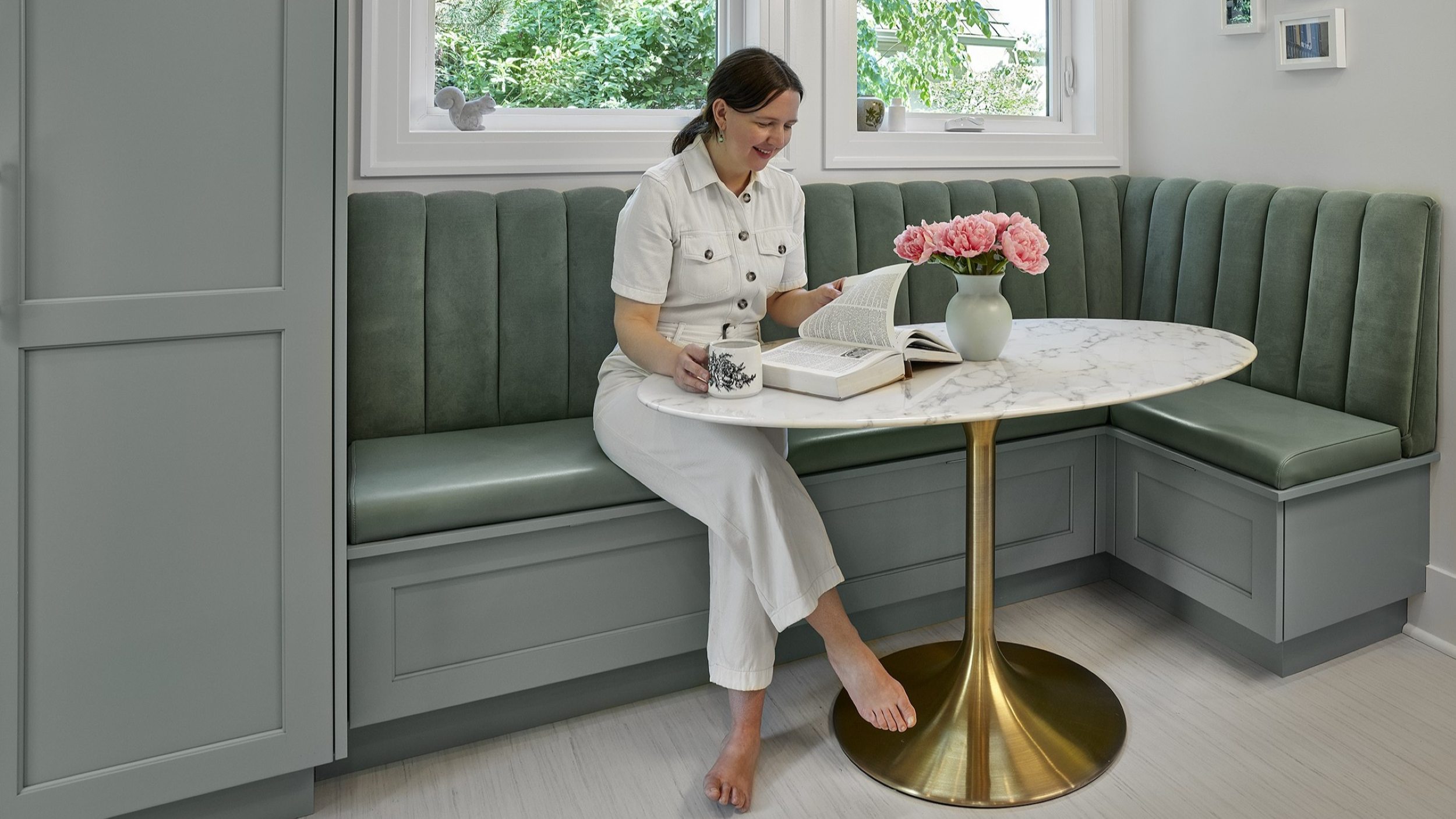
Columbia cabinetry is built with care, intention, and a deep respect for time-honoured craftsmanship. From careful material selection to hands-on construction and finishing, every cabinet is made to support a lifetime of everyday living while showcasing the natural beauty and character of the materials.
Like all fine cabinetry, long-term appearance and performance are shaped not only by how it’s made, but by how it is cared for and the environment in which it is installed. Gentle cleaning, attention to moisture, and stable indoor conditions help preserve both the finish and overall integrity of the cabinetry over time.
This overview outlines general care principles that apply across all Columbia cabinetry. Material-specific recommendations are provided in individual guides and should be reviewed based on the products in the home.
Indoor Climate Conditions
Temperature and humidity naturally influence how wood, engineered components, and finishes behave over time. Maintaining a stable, climate-controlled indoor environment helps minimize natural expansion and contraction, reducing stress on joints, finishes, and surfaces throughout the life of the cabinetry.
Recommended Indoor Conditions
To support long-term performance, recommended residential conditions are:
Relative humidity: 35%–50% (short-term variation down to 30% and up to 55% may occur)
Temperature: 65–75°F (18–24°C)
Seasonal use of humidifiers or dehumidifiers may be necessary to help maintain these conditions. Prolonged exposure to environments outside these ranges may result in natural material movement or finish changes and is not considered a warrantable condition.
Everyday Care
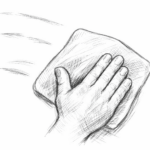
Alongside maintaining stable indoor conditions, routine care plays an equally important role in preserving cabinetry performance. Thoughtful, consistent cleaning helps maintain the beauty and integrity of your Columbia cabinetry for years to come, requiring only simple, gentle methods – no special products or scrubbing required.
Routine cleaning practices
- Dust monthly, or as needed, with a soft, lint-free cloth.
- Vacuum crumbs or debris from corners monthly, or as needed.
- Wipe surfaces with a lightly damp cloth monthly, or as needed, then dry immediately.
Occasional deeper cleaning
- Use mild dish soap only when occasional deeper cleaning is needed:
- Mix a few drops (¼–½ tsp) of mild dish soap with 1 quart (1 L) of warm water.
- The solution should be barely sudsy.
- Apply the solution to the cloth, not directly to the cabinetry.
- Follow with a clean, damp cloth and dry right away.
Why drying matters
Always dry seams, edges, and hardware penetrations thoroughly, especially for melamine surfaces. While melamine itself is moisture-resistant, exposed edges, seams, shelf pin holes, and hardware penetrations can swell if water is allowed to sit for extended periods.
Interior Cleaning — When More Is Needed (Melamine cabinet interiors only)
ONLY for cleaning melamine interiors when experiencing more stubborn grease, food residue, or marks:
- For cooking oils or food buildup, use a 50/50 mix of warm water and white vinegar. Let sit 30–60 seconds, then wipe clean and dry thoroughly. Avoid over-saturating.
- For tougher stains such as coffee, turmeric, or pencil marks, use a paste of baking soda and water or a melamine foam sponge (e.g., Magic Eraser) with light pressure only.
Using the above methods on stained or painted wood cabinetry, including finished plywood interiors, can lead to permanent damage.
Products & Practices to Avoid
- Never use degreasers, citrus-based soaps, furniture polishes, or antibacterial formulas.
- Avoid harsh chemicals, abrasive pads, or any cleaners containing ammonia, bleach, solvents, or alcohol, as these products may compromise finish integrity.
- Avoid oil-based soaps, furniture polishes, waxes, or silicone-containing products, as these may leave residue or interfere with the finish over time.
Maple Breadboards & Chopping Blocks
- Before first use: Recondition your breadboard or chopping block with food-grade mineral oil to help seal the wood surface. Apply generously and allow the oil to absorb fully before wiping away any excess.
- Routine cleaning: Wash with mild dish soap and warm water to loosen food particles, then towel dry immediately.
- Avoid:
- Soaking, placing in the dishwasher, or allowing water to sit on the surface for extended periods, as excessive moisture may cause warping or damage.
- Strong chemical cleaners, which may leave behind harmful residues or dry the wood.
- Natural deodorizing: Rub the surface with half a lemon and a light sprinkle of salt to help lift stains and neutralize odors.
- Periodic re-oiling will help maintain the wood’s integrity and extend the life of the board.

Preventative Maintenance
Beyond routine cleaning, awareness of everyday kitchen exposures helps prevent excessive long-term wear. Cabinetry is designed for everyday living, but a little awareness and early attention to small issues go a long way in preserving its appearance. Consistent habits and timely response to common exposures help cabinetry age gracefully and support long-term performance.
Managing Moisture & Heat Exposure
Everyday exposure to water, heat, and steam is inherent to kitchens and baths. Cabinetry performs best when that exposure is brief and well managed. Standing water, trapped moisture, or excessive or sustained heat exposure may affect cabinetry performance over time. Care and awareness matter most around:
- Sinks, dishwashers, and plumbing fixtures
- Cooktops, ranges, and countertop appliances that generate heat or steam
- Trash pull-outs
Best practices to reduce risk:
-
- Avoid placing steam-generating appliances directly beneath wall cabinets.
-
- Run the range hood whenever boiling, steaming, or sautéing.
-
- Use ventilation every time you cook.
-
- After dishwasher cycles, allow 15–30 minutes for internal steam to dissipate before opening fully — or use the unit’s vent / fan-dry setting.
-
- Wipe spills, splashes, and condensation as they occur.
-
- Repair chips in the finish promptly to prevent moisture intrusion.
Household & Food Exposure Considerations
Certain foods and household products commonly found in kitchens can cause staining or surface changes if left in contact with cabinetry for extended periods. Use care, and clean promptly, when contact occurs with:
- Acidic foods: vinegar, citrus juices, tomatoes, wine
- Highly pigmented foods: coffee, tea, berries, spices, cooking oils
- Household chemicals: nail polish remover, hand sanitizers, or cleaning wipes not intended for finished surfaces
Protective Everyday Practices
Simple habits help protect cabinetry in high-use environments:
- Wipe spills promptly and dry surfaces right away.
- Avoid hanging damp cloths or towels over cabinet doors.
- Minimize prolonged exposure to direct sunlight.
- Periodically inspect high-use areas such as sink bases, pull-outs, and trash cabinets.
In sink or plumbing zones especially:
- Wipe spills immediately.
- Dry exposed edges thoroughly.
- Use shelf liners in high-risk areas.
- Check periodically for slow leaks.
Touch-Up & Minor Repairs
Touch-up products are available through your authorized Columbia Cabinets dealer to help address minor wear from everyday use. Prompt attention to small chips or finish wear helps protect cabinetry from moisture intrusion and supports long-term durability.

Understanding Natural Materials
Even with thoughtful care and stable environments, natural materials will continue to evolve over time. Many Columbia cabinetry products incorporate natural wood and wood veneer components. Variations in grain, colour, texture, and tone—and subtle changes over time—are inherent to real wood. Natural characteristics such as mineral streaks, grain movement, colour variation, pin knots, and other species-specific markings are part of the material itself and contribute to the authenticity, warmth, and individuality of each cabinet.
Engineered materials and decorative laminates offer greater visual consistency, yet they also benefit from thoughtful care. Attention at seams, edges, and joints helps maintain their appearance and long-term performance. Understanding these natural characteristics provides helpful context when reviewing warranty coverage.

Working With Your Warranty
This Care & Cleaning Guide is intended to support the proper use and long-term care of Columbia cabinetry. It should be read in conjunction with Columbia’s Limited Lifetime Warranty, which defines coverage terms, environmental requirements, and exclusions.
The Columbia Craftsmanship Promise
Limited Lifetime Warranty assurance for enduring quality and enjoyment
At Columbia Cabinets, every piece we build reflects over five decades of craftsmanship, innovation, and care. From precision joinery to hand-sanded, multi-layered finishes, our cabinetry is thoughtfully designed and expertly crafted to
stand the test of time.
That commitment doesn’t end when your cabinets are installed. Every Columbia product is protected by our Limited Lifetime Warranty—a clear expression of our confidence in the materials we select, the processes we follow, and the people who build your cabinetry. It is our promise that your Columbia cabinetry will be free from defects in material and workmanship for as long as you own your home, reflecting our enduring dedication to quality, integrity, and partnership.
WARRANTY DETAILSShaped By Nature. Crafted For Life.
What Makes Real Wood Cabinetry Unique
At Columbia, cabinetry is crafted from genuine wood and engineered wood products—materials shaped by nature long before they are shaped by human hands. Wood is a living material, formed by its growing conditions, climate, soil, and time. Each tree develops its own structure, grain pattern, and density, giving wood its natural depth, variation, and character.
How wood is cut, sawn, dried, and processed further influences how those natural characteristics are expressed. Grain orientation, growth-ring structure, and the balance between solid wood and veneered components all affect appearance, texture, finish absorption, and how wood responds over time.
Even after harvesting and finishing, wood continues to respond to its environment. Changes in temperature, humidity, and light naturally influence wood over time, resulting in subtle movement, tonal variation, and gradual evolution.
When cabinetry is installed, used, and maintained in appropriate residential conditions, wood behaves in predictable and expected ways. These characteristics are not flaws, but inherent qualities of real wood—central to the beauty, performance, and long-term authenticity of fine cabinetry.
Every species—and every piece of wood within that species—carries its own natural signature. Variations in appearance confirm the authenticity of real wood and are present in both solid and veneered components.
Natural wood characteristics may include:
Variations in grain pattern, color, mineral markings, knots, sapwood, or texture
Subtle differences in tone or sheen between components
Subtle grain, color, and depth variation between solid wood and veneered components due to differences in cut method, thickness, and how materials respond to finishes
These characteristics are cosmetic in nature, inherent to natural wood products, and are not considered defects. Please refer to our material information sheets for more information.
Wood continues to respond to its environment long after installation. Under normal residential conditions, exposure to natural and artificial light may cause gradual, natural color evolution within the wood itself. Over time, this may appear as gentle mellowing, lightening, or tonal shifts that reflect the natural maturation of the material.
UV-protective finishes are applied to help moderate this process, but they do not eliminate it. Color changes resulting from light exposure and ambient conditions are a natural characteristic of wood—not a failure or alteration of the stain, paint, or topcoat system.
Wood cabinetry performs best when cared for in a stable indoor environment. Even within recommended temperature and humidity ranges, wood remains in equilibrium with its surroundings and continues to respond naturally to environmental changes. Subtle expansion and contraction may occur over time, and minor dimensional movement is a normal, expected characteristic of real wood cabinetry.
This movement may present as:
Subtle panel movement
Door deflection within accepted industry tolerances, measured with the door removed and placed on a flat surface:
Doors under 32″ (812 mm) in height: maximum acceptable deflection of 3/32″ (2.5 mm)
Doors 32″ (812 mm) and over in height: maximum acceptable deflection of 3/16″ (5 mm)
Fine hairline joint lines or cracks, particularly in painted doors, resulting from natural wood movement; hairline cracks measuring up to 1/32″ (approximately 0.75 mm) are considered acceptable
These conditions are often most noticeable during seasonal or environmental changes and reflect normal wood behavior when cabinetry is properly installed, maintained, and cared for in residential settings. As such, they are considered inherent characteristics of real wood and are not considered warrantable conditions.
Plywood and engineered wood components used in Columbia cabinetry are selected for strength, consistency, and dimensional stability in residential environments. These materials are constructed by layering wood veneers or fibers with alternating grain direction and bonding them under controlled conditions, helping moderate natural wood movement and support long-term case alignment and durability. All engineered wood and plywood components comply with CARB Phase 2 (CARB II) and TSCA Title VI formaldehyde emission standards.
Even with proper installation and use in normal residential conditions, engineered wood products may exhibit minor visual or dimensional variation. These characteristics are inherent to wood-based panels and do not affect structural performance or service life.
This behavior may present as:
Minor panel variation, including slight bow, cup, or twist when evaluated on a flat reference surface under standard indoor conditions (approximately 68-72°F (20–22°C) / 40–55% RH)
Acceptable dimensional tolerances are as follows:
Plywood (Veneer Core / Multi-Ply): thickness ±0.020″ (±0.5 mm); bow, cup, or twist up to 1/8″ over 96″ or 1/16″ over 48″
Engineered wood/Particleboard Core (Cabinet-Grade): thickness ±0.015″ (±0.4 mm); bow or cup up to 1/8″ over 96″
Premium Woodfiber Board (49-50 pcf): thickness ±0.010″ (±0.25 mm); bow or cup up to 1/16″ over 48″
These conditions may be more noticeable during seasonal or environmental changes and reflect normal material behavior when cabinetry is properly sealed, installed, and maintained in residential settings. Evaluation of dimensional characteristics assumes proper installation, acclimation, and environmental conditions consistent with residential use. Variation within these limits is considered an inherent characteristic of engineered wood products and is not considered a warrantable condition.
Standard and Artisan Specialty Finishes
Each Columbia finish is created through a rigorous, multi-step process that blends modern finishing technology with skilled hand craftsmanship. We use premium, professional-grade post-catalyzed finishing systems selected for their durability, consistency, and long-term performance in residential environments.
When properly cared for, Columbia finishes provide a resilient surface designed to help resist everyday nicks, dings, scratches, staining, and surface deterioration associated with normal household use. Like all high-quality finishes, ongoing performance depends on proper use, care, and maintenance. Detailed care and cleaning guidelines are provided in the Care & Cleaning section and should be followed to preserve finish integrity over time.
Because many finishes are applied and refined by hand, subtle variation is both expected and celebrated as part of authentic craftsmanship.
Finish characteristics may include:
Slight differences in color tone or sheen between components
Fine hairline joint lines—particularly in painted doors—resulting from natural wood expansion and contraction over time
Surface characteristics associated with painted wood, including slight telegraphing of the underlying woodgrain
Depth, texture, and color variation created through layered finishing techniques
Visible brushwork, glaze accumulation within profiles, softened transitions, edge detailing, tonal irregularities, or hang-up variation inherent to hand-applied finishes
Intentional variable nicks, dents, rasping, splits, carving, wear, worm holes, rub-through, or aged effects specific to distressed finishes
Over time, wood and professional finishes may exhibit subtle tonal evolution as they naturally age and respond to light exposure. Columbia’s post-catalyzed finishing systems incorporate UV inhibitors to help moderate this process, preserving finish stability while allowing finishes to mature gracefully within normal residential environments.
These visual effects are intentional design elements and hallmarks of authentic craftsmanship. No two doors will be identical. Such variations contribute to the depth, character, and individuality of Columbia cabinetry and are not considered manufacturing defects.
In addition to natural wood materials, Columbia Cabinets offers select cabinetry components manufactured with decorative laminate surfaces, including Thermally Fused Laminate (TFL) and High-Pressure Laminate (HPL). These engineered materials are selected for their durability, consistency, and ease of maintenance in residential applications.
Unlike natural wood, laminate surfaces do not exhibit organic grain variation. Their appearance is created through a printed décor layer during manufacturing, resulting in a consistent, repeatable visual pattern rather than the unique variation found in real wood.
As a result of their engineered construction, acceptable characteristics of TFL and HPL surfaces may include:
Pattern repetition or visible repeat intervals inherent to the laminate décor design, particularly noticeable across large surface areas or adjacent components
Consistent or repeated grain imagery across components, especially in slab doors, tall panels, or continuous runs
Directional grain appearance or alignment differences between components, except where vertically grain-matched options are specifically offered
Visible seams or pattern transitions at joints, edges, or between adjacent components
Slight variances from printed, photographed, or digital representations due to normal manufacturing tolerances and production batches
These visual characteristics are inherent to decorative laminate materials and do not affect performance or service life when properly specified, installed, and cared for.
Protecting Your Investment
Fine cabinetry performs best in a stable, well-maintained indoor environment. Columbia cabinetry is built using high-quality materials, sound construction methods, and advanced post-catalyzed finishing systems engineered for durability, stability, and enduring beauty in residential applications.
Wood and professional finishes are natural and engineered materials that continue to respond to light, temperature, humidity, and everyday living. While Columbia’s finishing systems are designed to be resilient and long-lasting, no finish is immune to environmental stress. Prolonged exposure to improper conditions or inappropriate care can compromise finish performance over time, including gradual deterioration of the cured coating film and its protective performance.
To protect your investment and support long-term performance, follow these guidelines:
Maintain relative humidity between 35% and 50% (with short-term variation down to 30% and up to 55%) and a consistent indoor temperature of 65–75°F (18–24°C). Use humidifiers or dehumidifiers as needed during seasonal changes
Avoid prolonged exposure to direct sunlight, which can accelerate natural tonal evolution and affect finish longevity
Wipe spills promptly and keep cabinetry dry, particularly around sinks, dishwashers, appliances, and bathrooms
Use gentle, non-abrasive cleaners like dish soap diluted with water and a soft cloth; avoid harsh chemicals, solvents, ammonia-based products, or abrasive pads
Do not hang damp towels or cloths over doors or drawer fronts, as trapped moisture can affect wood and finish performance
Avoid prolonged exposure to moisture or direct heat sources such as kettles, toasters, or oven vents
Allow a full seasonal cycle after installation for natural wood movement and acclimation
Failure to maintain appropriate environmental conditions or follow recommended care practices may result in wood movement, excessive warping, or finish deterioration and is not considered a warrantable condition.
Columbia Kitchen Cabinets Ltd. (“Columbia Cabinets”) warrants to the original homeowner that all cabinetry manufactured exclusively by Columbia Cabinets will be free from defects in material and workmanship under normal residential use for as long as the original purchaser owns the home in which the cabinetry was first installed.
For the purposes of this warranty, “Limited Lifetime” means the period during which the original consumer purchaser owns the home where the cabinetry was initially installed.
This warranty is non-transferable and does not apply to subsequent homeowners or to cabinetry installed in rental, commercial, or other non-residential environments.
Products or components not manufactured by Columbia—including hardware, lighting, inserts, or decorative accessories—are covered under the warranties of their respective manufacturers. Where possible, Columbia Cabinets is happy to assist in facilitating claims with supplier partners on the homeowner’s behalf.
If a manufacturing defect is confirmed through inspection, Columbia Cabinets will, at its discretion:
Repair the affected component, or
Replace it with the same or a comparable product
If the original product, material, or finish is no longer available, Columbia Cabinets may substitute a product of equal or greater value that most closely matches the original style, material, and finish currently offered.
Costs related to removal, reinstallation, labor, shipping, or transportation are the responsibility of the homeowner and are not covered under this warranty.
While we stand firmly behind our craftsmanship, this warranty does not apply to cabinetry that has been:
Installed improperly or used outside of intended residential applications
Modified, altered, or repaired by parties other than Columbia Cabinets or its authorized representatives
Damaged due to improper installation or storage, misuse, neglect, abuse, or accidental impact
Damaged by exposure to high humidity, temperature extremes, moisture, or water intrusion, including areas adjacent to appliances, sinks, plumbing fixtures, or bathrooms
Affected by failure to follow recommended care, maintenance, or environmental guidelines
Affected by normal wear and tear, including minor scratches, dents, abrasions, or finish wear resulting from everyday use
Affected by natural characteristics of wood and wood-based materials, including variation in grain, color, texture, movement, or finish appearance
Subject to visual preferences related to laminate pattern repetition, wood grain appearance, or component alignment, which are not considered warrantable conditions
Damaged by Acts of God, including flooding, fire, or other environmental conditions beyond normal residential exposure or control
Associated with incidental or consequential costs, including labor, removal, reinstallation, or related property damage
Since 1970, Columbia Cabinets has been building cabinetry meant to last a lifetime—and we believe the strength of our warranty should reflect the strength of our craftsmanship.
Your cabinetry is more than a product; it’s a partnership built on trust, care, and enduring value.
We are proud to stand behind every cabinet we make—for as long as you call it home.
Should you experience a concern with your Columbia product:
Contact your authorized Columbia Cabinets dealer, who will assist in documenting and submitting your claim
Provide dated proof of purchase or sales receipt
An inspection will be arranged by the dealer or Columbia Cabinets to evaluate the concern
If a dealer is unavailable, you may contact Columbia Cabinets directly:
Columbia Cabinets
Attn: Warranty Department
2221 Townline Road
Abbotsford, BC, Canada V2T 6H1